Introduction
In the face of growing environmental challenges, the search for sustainable materials has become more important than ever. From packaging to product design, industries worldwide are rethinking how everyday materials can contribute to reducing waste and conserving resources. One such material gaining renewed attention is pappedeckel, a German term commonly used to describe cardboard lids or thick paperboard used across a wide range of practical applications.
Though simple in appearance, represents a powerful example of how basic materials can support modern environmental solutions. Its affordability, versatility, recyclability, and biodegradability make it an increasingly valuable option in industries striving for sustainability. As global awareness of environmental responsibility grows, materials like highlight how thoughtful choices in everyday products can contribute to a greener future.
Understanding Pappedeckel and Its Composition
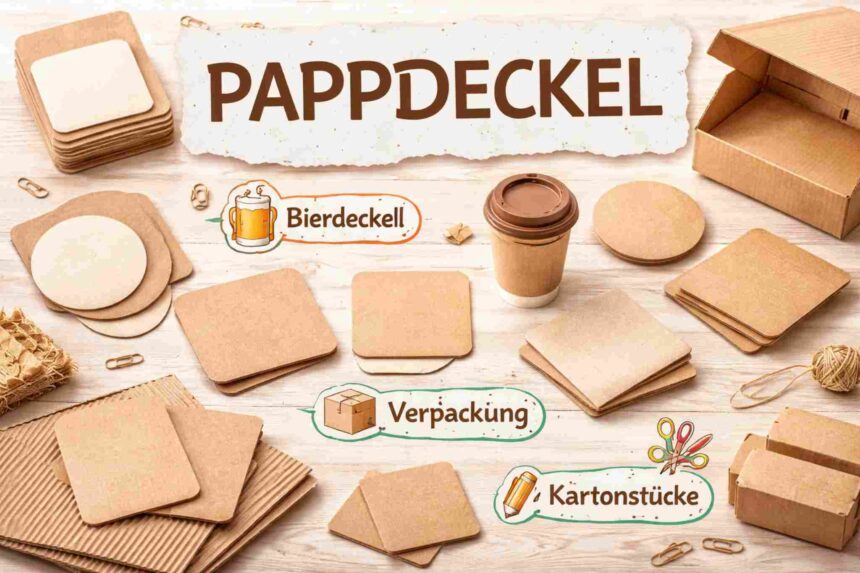
Pappedeckel refers to sturdy paperboard typically made from compressed layers of recycled or virgin paper fibers. Its structure gives it strength while maintaining flexibility and lightweight properties. These characteristics make it suitable for many uses, including packaging lids, coasters, protective inserts, display materials, and lightweight construction components.
The composition of allows it to be easily processed and recycled. Manufacturers often use renewable raw materials, reducing reliance on nonrenewable resources. This sustainable foundation supports its growing popularity as an environmentally responsible alternative to plastic-based materials.
Sustainability Through Simplicity
One of the most compelling aspects of is its simplicity. Unlike complex synthetic materials that require energy-intensive production processes, cardboard products rely on relatively straightforward manufacturing methods.
This simplicity translates into environmental benefits. Pappedeckel decomposes naturally under appropriate conditions and can be recycled multiple times without losing significant quality. By replacing single-use plastics with paperboard solutions, industries can significantly reduce their environmental footprint while maintaining functionality.
The Role of Pappedeckel in the Circular Economy
The circular economy focuses on minimizing waste by reusing and recycling materials whenever possible. Pappedeckel fits perfectly within this framework because of its high recyclability and adaptability.
Cardboard recycling systems worldwide process millions of tons of paperboard each year. Pappedeckel products can often be repurposed into new packaging, office supplies, or construction materials. This continuous cycle reduces the demand for raw materials and helps lower carbon emissions associated with production.
Applications Across Multiple Industries
The versatility of pappedeckel makes it valuable across many sectors. In food service, it is used for beverage lids, tray covers, and disposable serving items. Retailers rely on it for packaging inserts and promotional displays. Logistics companies use it to protect goods during transportation.
In creative industries, designers incorporate into art installations, educational tools, and sustainable product designs. Its adaptability ensures that it remains relevant across both traditional and modern applications.
Environmental Benefits Compared to Plastic
Plastic has long dominated packaging industries due to its durability and low cost. However, its environmental impact has prompted a shift toward more sustainable alternatives. Pappedeckel offers several advantages over plastic materials.
It is biodegradable, easier to recycle, and less harmful to ecosystems. While plastic can take centuries to decompose, paperboard breaks down much faster under proper conditions. This difference highlights the importance of transitioning toward renewable materials.
Innovation in Modern Packaging Solutions
Modern advancements continue to expand the possibilities of pappedeckel. Manufacturers are developing water-resistant coatings, reinforced designs, and customized shapes to meet evolving consumer needs.
These innovations allow to compete with traditional materials while maintaining sustainability. Creative approaches to design and engineering demonstrate how even simple materials can adapt to modern challenges.
Challenges and Limitations
Despite its benefits, pappedeckel is not without limitations. Moisture sensitivity remains a concern in certain applications, particularly in environments with high humidity or exposure to liquids.
Durability can also be an issue when compared with heavy-duty plastics or metals. However, ongoing research and development continue to address these challenges through improved materials and coatings.
Consumer Awareness and Responsible Choices
Consumer awareness plays a significant role in promoting sustainable materials. As individuals become more conscious of environmental issues, they increasingly support products made from recyclable and biodegradable resources.
Choosing products that incorporate pappedeckel demonstrates how small decisions can contribute to broader environmental goals. Businesses that adopt sustainable materials also benefit from positive public perception and long-term cost savings.
The Future of Simple Sustainable Materials
The future of sustainability will likely depend on both technological innovation and practical material choices. Pappedeckel illustrates how simple solutions can complement advanced environmental strategies.
As industries continue exploring renewable resources and eco-friendly designs, materials like will remain essential in reducing environmental impact while supporting economic growth.
The Role of Innovation in Expanding Pappedeckel Applications
Innovation continues to expand the potential uses of pappedeckel across modern industries. Researchers and manufacturers are exploring advanced treatments, layered constructions, and eco-friendly coatings that improve durability while maintaining sustainability. These developments allow to be used in more demanding environments, from food-safe packaging to protective transport solutions. As innovation progresses, this simple material is proving that environmentally responsible choices can also meet modern performance expectations.
FAQs
1. What is pappedeckel?
Pappedeckel refers to thick cardboard or paperboard used in packaging, lids, and various practical applications.
2. Why is pappedeckel environmentally friendly?
Because it is recyclable, biodegradable, and often made from renewable resources.
3. Where is pappedeckel commonly used?
It is used in food packaging, retail displays, logistics, and creative design projects.
4. Can pappedeckel fully replace plastic?
While not suitable for all uses, it serves as an effective alternative in many applications.
5. What is the future of pappedeckel in sustainability?
Its role will likely grow as industries prioritize eco-friendly materials and innovative packaging solutions.
Conclusion
Pappedeckel demonstrates that even the simplest materials can play a powerful role in addressing modern environmental challenges. Its recyclability, versatility, and affordability make it a practical solution for industries and individuals seeking sustainable alternatives.
As awareness of environmental responsibility grows, the importance of thoughtful material choices becomes increasingly clear. By embracing materials like , society can move closer to achieving a balance between functionality and sustainability. Ultimately, the future of environmental solutions may rely not only on advanced technologies but also on the thoughtful use of simple, effective materials.