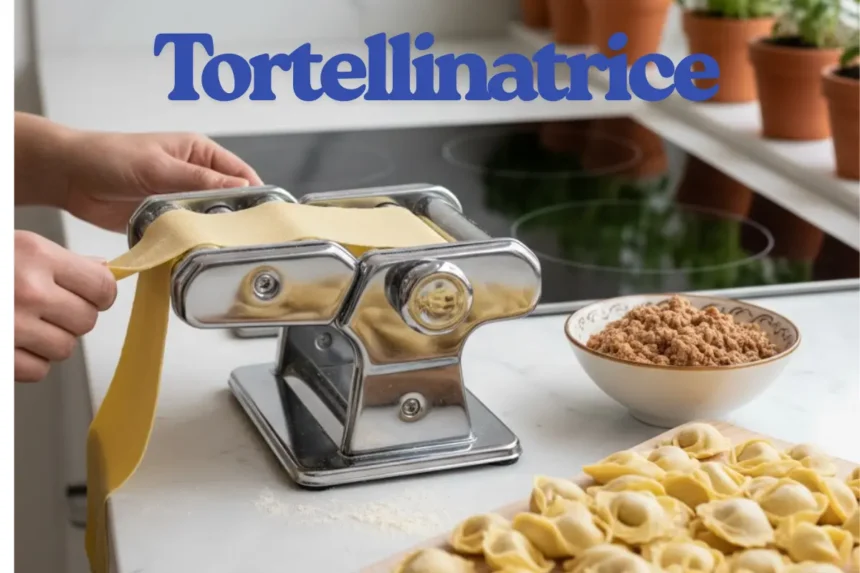
Introduction
Italian cuisine is famous around the world for its rich flavors, traditional recipes, and handcrafted pasta. Among the many varieties of pasta, tortellini holds a special place in Italian culinary culture. These small ring-shaped stuffed pasta pieces are known for their delicate dough and flavorful fillings. Traditionally, tortellini were made by hand, requiring skill, patience, and a great deal of time. However, as demand for authentic Italian pasta has grown, modern technology has introduced a solution that combines tradition with efficiency: the tortellinatrice.
A tortellinatrice is a specialized machine designed to produce tortellini quickly and consistently while preserving the authentic shape and quality of handmade pasta. These machines are widely used in restaurants, pasta factories, and food production facilities where high-quality tortellini must be produced in large quantities.
In this guide, we will explore what a is, how it works, its benefits, and why it has become an essential tool for modern pasta production.
Understanding the Tortellinatrice
The word tortellinatrice comes from Italian and refers to a machine used specifically for making tortellini. Unlike general pasta machines that produce flat sheets or simple shapes, a is designed to handle the entire process of creating stuffed pasta.
The machine performs several tasks, including:
-
Rolling pasta dough into thin sheets
-
Adding filling to the dough
-
Folding the pasta into the traditional tortellini shape
-
Cutting and forming each piece with precision
This process allows producers to create thousands of perfectly shaped tortellini in a short amount of time while maintaining the traditional appearance and texture.
How a Tortellinatrice Works
A tortellinatrice operates through a series of carefully designed mechanical steps that replicate the manual process of making tortellini.
1. Dough Preparation
The first step in tortellini production is preparing the pasta dough. This dough is typically made from flour, eggs, and sometimes water or semolina. Once mixed and kneaded, the dough is fed into the machine.
The rolls the dough into thin sheets, ensuring uniform thickness. Consistency in the dough thickness is crucial for achieving high-quality tortellini.
2. Filling Distribution
After the dough sheet is prepared, the filling is added. Traditional tortellini fillings often include ingredients such as meat, cheese, herbs, and spices. The machine distributes the filling evenly along the dough sheet to ensure that each piece of pasta contains the same amount.
3. Folding and Shaping
Once the filling is placed, the machine folds the dough around it and forms the signature ring shape of tortellini. Advanced mechanisms ensure that the pasta is sealed properly so the filling remains intact during cooking.
4. Cutting and Final Formation
Finally, the machine cuts the pasta into individual tortellini pieces. The result is a batch of uniform, neatly shaped pasta ready for cooking, packaging, or further processing.
Advantages of Using a Tortellinatrice
The tortellinatrice has transformed pasta production by offering numerous advantages compared to traditional manual methods.
Efficiency and Speed
One of the most important benefits is efficiency. While handmade tortellini requires significant time and labor, a can produce large quantities in a fraction of the time.
Consistency and Precision
When making tortellini by hand, the size and shape may vary slightly. A tortellinatrice ensures that every piece of pasta has the same shape, size, and filling distribution.
Maintaining Authentic Quality
Despite being a machine, modern tortellinatrici are designed to replicate traditional pasta-making techniques. This allows producers to maintain the authentic look and texture of handmade tortellini.
Scalability for Businesses
For restaurants and pasta manufacturers, the ability to scale production is extremely valuable. A tortellinatrice allows businesses to meet growing demand without sacrificing quality.
Applications of Tortellinatrice Machines
Tortellinatrice machines are used in a variety of food production environments. Their versatility makes them suitable for different types of operations.
Restaurants and Commercial Kitchens
Many restaurants that specialize in Italian cuisine use tortellinatrici to produce fresh pasta daily. This ensures consistent quality while saving time for chefs.
Pasta Manufacturing Companies
Large food production companies rely on industrial machines to manufacture packaged tortellini sold in supermarkets worldwide.
Artisan Pasta Shops
Even small artisan pasta makers use compact versions of tortellinatrici to increase productivity while maintaining traditional recipes.
Choosing the Right Tortellinatrice
Selecting the right depends on several factors, including production scale, available space, and budget.
Production Capacity
Different machines offer different production speeds. Small machines may produce a few kilograms of tortellini per hour, while industrial models can produce hundreds of kilograms.
Machine Size and Design
Compact machines are ideal for restaurants and small kitchens, while larger industrial models are designed for factories.
Ease of Cleaning and Maintenance
Food safety is essential in pasta production. High-quality machines are designed to be easily cleaned and maintained.
Durability and Build Quality
Since tortellinatrici operate continuously in commercial settings, they must be built with durable materials such as stainless steel.
The Role of Technology in Pasta Making
Modern pasta machines like the tortellinatrice demonstrate how technology can support traditional culinary practices. Instead of replacing craftsmanship, these machines enhance it by making high-quality pasta accessible to more people.
Technological improvements have also allowed manufacturers to design machines that mimic the folding and shaping techniques used by skilled pasta makers. This ensures that the final product remains true to its Italian heritage.
Frequently Asked Questions (FAQs)
1. What is a tortellinatrice?
A tortellinatrice is a specialized pasta machine designed to produce stuffed pasta known as tortellini. It automates the processes of rolling dough, adding filling, and shaping the pasta.
2. Is tortellini still authentic when made by machine?
Yes. Modern tortellinatrici are designed to replicate traditional methods, allowing producers to maintain the authentic appearance and texture of handmade tortellini.
3. Who uses tortellinatrice machines?
These machines are used by restaurants, pasta manufacturers, and artisan pasta shops that produce tortellini in large quantities.
4. Can a tortellinatrice produce different fillings?
Yes. The machine can work with a variety of fillings, including meat, cheese, vegetables, and other ingredients.
5. Are tortellinatrice machines suitable for small businesses?
Yes. There are compact models designed specifically for small restaurants and artisan pasta producers.
6. How much tortellini can a tortellinatrice produce?
Production capacity varies depending on the machine model. Some machines produce small batches, while industrial machines can produce large volumes per hour.
7. Is it difficult to operate a tortellinatrice?
Most modern machines are designed to be user-friendly and require minimal training to operate effectively.
Conclusion
The tortellinatrice represents an important step in the evolution of pasta production. By combining traditional Italian culinary techniques with modern engineering, this machine allows producers to create authentic tortellini efficiently and consistently.
While handmade pasta will always hold a special place in culinary tradition, machines like the make it possible to meet the growing global demand for high-quality pasta without compromising authenticity. From small artisan shops to large food manufacturing companies, the has become an essential tool in modern pasta making.
As technology continues to advance, the future of pasta production will likely include even more innovative solutions that preserve tradition while improving efficiency. The stands as a perfect example of how modern machinery can support and celebrate the timeless art of Italian cuisine.