Introduction
Wildlife and natural ecosystems play a vital role in maintaining the balance of our planet. Forests, mountains, rivers, and open landscapes are home to countless species that contribute to biodiversity and environmental stability. However, increasing human activities such as urban development, industrial growth, and climate change have placed significant pressure on wildlife populations and their habitats. In response to these challenges, wildlife management organizations and governing bodies have been established to protect animals, regulate hunting, and ensure that natural resources are used responsibly. One such important concept in wildlife governance is Viltnemnda.
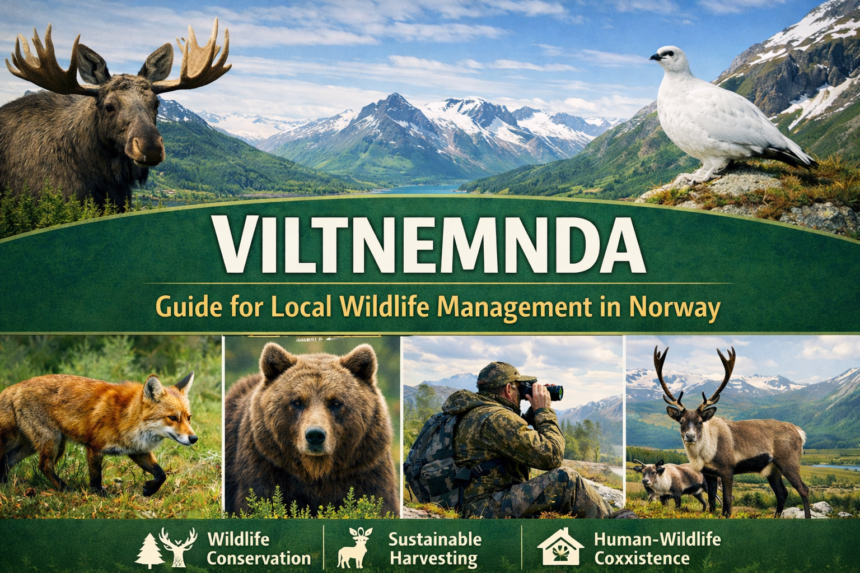
Viltnemnda refers to a wildlife management authority or committee responsible for overseeing wildlife conservation, regulating hunting practices, and ensuring the sustainable management of animal populations within specific regions. Its primary mission is to maintain a healthy balance between wildlife conservation and human activities. By monitoring wildlife populations and enforcing environmental regulations, helps protect natural habitats and preserve biodiversity for future generations.
As the global population grows and environmental pressures increase, the role of organizations like becomes even more important. Their efforts help ensure that wildlife species continue to thrive while allowing communities to responsibly interact with nature. This article explores the role of Viltnemnda, its responsibilities in wildlife protection, and its importance in preserving ecosystems for the future.
Understanding the Role of Viltnemnda
Viltnemnda functions as a governing body that focuses on wildlife management and environmental sustainability. It typically operates within a regional or local government structure and works closely with environmental agencies, conservation experts, and local communities.
The main purpose of is to manage wildlife populations responsibly while protecting natural ecosystems. This includes developing regulations for hunting, monitoring animal populations, and ensuring that wildlife management practices follow environmental guidelines.
One of the key responsibilities of is balancing human interests with the needs of wildlife. In many regions, communities rely on natural resources for livelihoods, recreation, and cultural traditions. Hunting, for example, can be an important activity for both food and wildlife population control. However, without proper regulation, hunting can threaten animal populations and disrupt ecosystems.
Viltnemnda ensures that such activities are carried out responsibly by setting rules, issuing permits, and monitoring compliance with environmental laws.
Wildlife Conservation and Biodiversity Protection
One of the most important roles of is supporting wildlife conservation and protecting biodiversity. Biodiversity refers to the variety of living organisms within an ecosystem, including animals, plants, and microorganisms. A healthy level of biodiversity ensures that ecosystems remain stable and resilient.
When certain animal populations decline due to habitat loss, illegal hunting, or environmental changes, it can disrupt the balance of entire ecosystems. Predators, prey, and plant life are interconnected, and changes in one population can affect many others.
Viltnemnda works to prevent such disruptions by monitoring wildlife populations and implementing conservation strategies. These strategies may include habitat protection, population monitoring programs, and collaboration with environmental researchers.
By protecting biodiversity, helps maintain ecosystems that support both wildlife and human communities.
Sustainable Wildlife Management
Sustainability is a key principle in wildlife management. Sustainable management means using natural resources in a way that meets current needs without compromising the ability of future generations to meet their own needs.
Viltnemnda promotes sustainable wildlife management by setting guidelines for hunting seasons, population control measures, and habitat protection. These policies are based on scientific research and ecological data to ensure that wildlife populations remain stable and healthy.
For example, certain species may need protection during breeding seasons, while others may require population control to prevent overpopulation and environmental damage. By carefully managing these factors, ensures that ecosystems remain balanced.
Sustainable wildlife management also includes educating communities about responsible environmental practices. Public awareness plays a crucial role in protecting wildlife and preserving natural habitats.
The Importance of Habitat Protection
Wildlife cannot survive without suitable habitats. Forests, wetlands, grasslands, and mountain regions provide animals with food, shelter, and breeding grounds. However, these habitats are increasingly threatened by urban expansion, deforestation, and industrial activities.
Viltnemnda helps protect these habitats by supporting environmental policies and conservation programs that preserve natural landscapes. Protecting habitats ensures that wildlife populations have the resources they need to survive and reproduce.
Habitat protection also benefits humans. Natural ecosystems provide essential services such as clean air, fresh water, and climate regulation. By safeguarding these environments, Viltnemnda contributes to the overall health of the planet.
Collaboration with Communities and Environmental Experts
Effective wildlife management requires cooperation between different groups. Viltnemnda often works closely with scientists, environmental organizations, and local communities to develop policies that are both practical and environmentally responsible.
Researchers provide valuable data about wildlife populations, migration patterns, and ecosystem health. This information helps Viltnemnda make informed decisions about conservation strategies and wildlife regulations.
Local communities also play an important role in wildlife protection. Many people live close to natural habitats and have firsthand knowledge of local ecosystems. Their participation in conservation programs can significantly improve the success of wildlife management efforts.
Through collaboration and shared responsibility, Viltnemnda helps create a system where wildlife protection and human development can coexist.
Challenges in Wildlife Protection
Despite its important mission, wildlife management faces several challenges. One major challenge is habitat loss caused by urban development and industrial expansion. As natural landscapes shrink, wildlife populations may struggle to find food, shelter, and breeding areas.
Another challenge is illegal hunting and wildlife trafficking, which can severely impact endangered species. Enforcing wildlife protection laws requires strong monitoring systems and cooperation between authorities.
Climate change is also affecting ecosystems around the world. Changes in temperature, weather patterns, and seasonal cycles can disrupt animal migration and breeding behaviors.
Viltnemnda must adapt to these challenges by developing innovative strategies and strengthening conservation efforts to protect wildlife in an increasingly complex world.
Frequently Asked Questions
1. What is Viltnemnda?
Viltnemnda is a wildlife management authority or committee responsible for overseeing wildlife conservation, regulating hunting, and protecting natural ecosystems within a specific region.
2. What are the main responsibilities of Viltnemnda?
Its responsibilities include monitoring wildlife populations, regulating hunting practices, protecting natural habitats, and promoting sustainable wildlife management.
3. Why is wildlife conservation important?
Wildlife conservation helps maintain biodiversity, supports healthy ecosystems, and ensures that natural resources remain available for future generations.
4. How does Viltnemnda support sustainable wildlife management?
Viltnemnda sets guidelines for hunting seasons, population control, and habitat protection based on scientific research and environmental policies.
5. Can communities participate in wildlife protection?
Yes. Local communities can support wildlife conservation by following environmental regulations, participating in conservation programs, and promoting awareness about protecting natural habitats.
6. What challenges does wildlife management face today?
Major challenges include habitat destruction, climate change, illegal hunting, and the growing impact of human development on natural ecosystems.
Conclusion
Viltnemnda plays a vital role in protecting wildlife and preserving nature for future generations. By promoting sustainable wildlife management, regulating hunting practices, and safeguarding natural habitats, it helps maintain the delicate balance between human activities and environmental conservation.
In a world where environmental challenges continue to grow, organizations and committees dedicated to wildlife protection are more important than ever. Their efforts ensure that ecosystems remain healthy and that wildlife populations can thrive in their natural habitats.
Protecting nature is a shared responsibility. Governments, communities, scientists, and individuals must work together to preserve the planet’s biodiversity. Through responsible management and continued dedication to conservation, the mission of Viltnemnda can help create a future where both people and wildlife coexist in harmony.