Combined Introductions
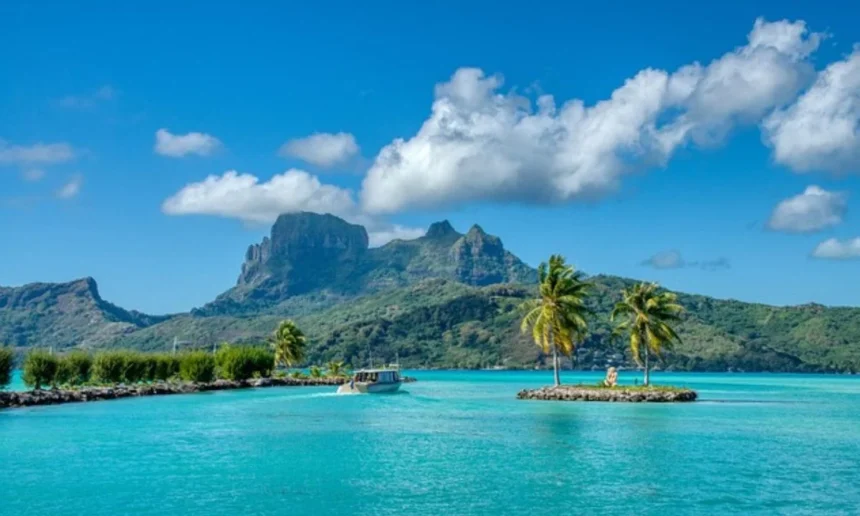
Yukevalo Island always felt untouched, free from crowds, and rich in natural beauty, sitting far from usual tourist spots where I found real peace, quiet adventure, and deep cultural wonders.
This personal guide comes from my own visit, shaped by what to expect, helpful tips, and moments that made the trip truly unforgettable, from stunning coastlines to meaningful local experiences that made every vacation feel special.
Many travelers still search online, drawn by its quiet nature and being not widely covered, yet those who love calm places, short breaks, and smart planning discover an enchanting paradise, undiscovered by mainstream tourists, surrounded by serene waters and breathtaking landscapes like a true hidden gem.
Why Yukevalo Island Is Special / Why People Visit
What makes this place a secret among travelers is the blend of rich wildlife, clear waters, and friendly people, perfect for anyone wanting to avoid touristy crowds.
I noticed the peaceful setting, natural surroundings, and chance to relax, walk the coast, and enjoy a slow pace of life far from over-commercialized areas.
Its pristine charm, lush greenery, crystal-clear waters, unspoiled beaches, rolling hills, dense forests, coral reefs, exotic fish, diverse flora, fauna, secluded beaches, and dramatic sunsets attract eco-tourists and mindful travelers who value depth over mass tourism.
| Feature | What Makes It Special | Why People Visit |
| Natural Beauty | lush greenery, rolling hills, dense forests, crystal-clear waters, unspoiled beaches | For relax, tranquility, and escape from over-commercialized places |
| Marine & Wildlife | rich wildlife, coral reefs, exotic fish, diverse flora, fauna | Ideal for eco-tourists and nature-focused travelers |
| Atmosphere | quiet, peaceful setting, serene waters, dramatic sunsets | Suits those avoiding crowds and mass tourism |
| Lifestyle | slow pace of life, friendly people, local experiences | Appeals to mindful travelers seeking balance |
| Exclusivity | secluded beaches, hidden gem, not widely covered | Feels personal, authentic, and special |
Quick Snapshot
The Location sits in a Remote Pacific Region, which keeps the island naturally protected and beautifully preserved.
The Best Time to Visit remains April to October, when weather supports smooth travel and outdoor exploration.
It feels Ideal for Eco-tourists, backpackers, couples, with an Average Cost 80–150/day that balances comfort and authenticity.
How to Visit / How to Reach Yukevalo Island
Good planning makes the journey worth it, starting from Nearest International Airport Nuvania International (NVA) followed by Domestic Transfer via propeller flights, ferry, or Reti Port.
The Final Leg involves a local boat service, charter, or short ride of one hour from the mainland, where public ferries stay the most affordable option.
I always check schedules, weather, and sea conditions, because calm seas, early arrival, proper travel documents, and following local instructions help avoid delays, while cruise stops, private yachts, and exclusive travel suit different styles.
| Travel Stage | Transport Details | What to Know |
| International Arrival | Nearest International Airport, Nuvania International (NVA) | Main entry point |
| Domestic Transfer | propeller flights, ferry, Reti Port | Limited schedules |
| Final Leg | local boat service, charter, one hour | Calm seas best |
| Mainland Access | public ferries, affordable travel | Book early |
| Alternate Options | cruise stops, private yachts, exclusive travel | Premium choice |
Entry Requirements
Most travelers arrange a visa on arrival, available for many nationalities, which keeps entry simple and stress-free.
Officials may ask for proof of a return ticket and confirmed accommodation during arrival checks.
While COVID-19 protocols are relaxed, I still find insurance recommended for peace of mind.
Best Time to Visit Yukevalo Island
Local weather and sea conditions define travel comfort more than calendars alone.
I found Peak Season March to June warm, sunny, ideal for beach lovers and adventure seekers, while Off-Peak Season September to November brings a quieter atmosphere and discounted accommodations.
December to February suits wildlife enthusiasts chasing seasonal migrations, while Monsoon Season July to August creates lush greenery, dramatic landscapes, and calmer early mornings with a calm sea.
| Season | Time Period | Why Visit |
| Peak Season | March to June, warm, sunny | Best for beach lovers |
| Ideal Window | April to October | Smooth sea conditions |
| Quiet Travel | September to November | quieter atmosphere |
| Wildlife Season | December to February | wildlife enthusiasts |
| Monsoon Season | July to August, lush greenery | Scenic landscapes |
Things to Do on Yukevalo Island
I spent mornings snorkeling, diving, and exploring coral reefs filled with marine life, then afternoons kayaking through mangroves and hiking scenic nature walks.
The climb to Mount Erava rewarded me with panoramic views, while wildlife watching revealed birds, sea turtles, and authentic fishing excursions with local experts.
Evenings focused on cultural experiences, meeting the local community, learning traditions, enjoying authentic cuisine, photography, camping, stargazing, storytelling evenings, cooking classes, and pure relaxation.
Local Culture & Authentic Experiences
The heart of the island lives in its indigenous communities, where homestays, music evenings, and cooking lessons share living traditions.
I tasted Takalu, a smoked fish dish blended with forest herbs, prepared using jungle ingredients passed down for generations.
Learning traditional dances from village elders taught me the value of respectful engagement and honoring local customs.
Accommodation Options on Yukevalo Island
Travelers choose from Budget stays like Talu Backpackers 25/night or Green Roots Hostel Eco-certified options.
Comfort seekers enjoy Mid-Range Casa Yukevalo bungalow-style villas or Mangrove Suites paddleboard rentals, while indulgence shines at Luxury Yukevalo Serenity Resort private beach infinity pool and Hideaway Villas jungle retreats.
I also explored eco-lodges, beachside bungalows, camping, glamping, and welcoming local homestays.
| Category | Stay Options | Why Choose |
| Budget | Talu Backpackers, 25/night, Green Roots Hostel, Eco-certified | Affordable stay |
| Mid-Range | Casa Yukevalo, bungalow-style villas, Mangrove Suites, paddleboard rentals | Balanced comfort |
| Luxury | Yukevalo Serenity Resort, private beach, infinity pool, Hideaway Villas, jungle retreats | Premium privacy |
| Eco Stays | eco-lodges, nature-based design | Sustainable choice |
| Local Living | beachside bungalows, camping, glamping, local homestays | Cultural stay |
What to Pack Before Visiting
I always carry comfortable walking shoes and sun protection hats sunscreen for long coastal walks.
A reusable water bottle, enough cash, and awareness of limited ATMs avoid daily hassles.
Snacks, basic medicines, and a power bank help when services feel intentionally simple.
Practical Tips & Local Rules
Life here works best when you remember cash is king and accept limited internet Wi-Fi as a healthy digital detox.
I dress with modest clothing, follow local etiquette, and ask permission before photography.
Low noise levels, no littering, protecting wildlife, and staying in permitted areas reflect respectful behavior.
Sustainable Tourism on Yukevalo Island
The island’s sustainability vision supports tourism model funding for local schools, reef conservation, and community farming.
I follow eco-friendly practices, support local businesses, and join conservation programs whenever possible.
Strong wildlife protection, plastic reduction, reusable products, and responsible travel keep the island thriving.
Hidden Spots to Explore
Beyond maps, I found secret coves perfect for a private swim or quiet picnic.
Hidden waterfalls, natural springs, and lush greenery reveal the island’s softer side.
Exploring ancient ruins, island history, and underground caves filled with geological formations felt timeless.
Sample Itinerary
Day 1 arrival village exploration beach chill sets a calm tone for the journey.
Day 2 snorkeling cultural night storytelling, followed by Day 3 Mount Erava trek sunrise picnic breakfast hot springs, balance activity and rest.
Day 4 mangrove kayaking cooking class leads gently into Day 5 sunrise yoga departure.
Data & Traveler Sentiment
Recent sentiment analysis, travel forums, and user-generated reviews reflect consistent satisfaction.
Around 92 percent exceptional, 81 percent recommend eco-conscious travelers, and 68 percent exceeded expectations due to authenticity and hospitality.
Recognition by National Geographic Top Emerging Destinations 2024 confirms its growing respect.
Final Thoughts / Conclusion
This destination feels truly unforgettable for solo travelers, couples, and families seeking a unique experience grounded in peace and nature.
Through proper planning and realistic expectations, responsible travel becomes effortless and rewarding.
The quiet moments of this hidden gem stay with you long after leaving Yukevalo Island.